From self-order to self-service.
Meet SKAI Robot, our AI-powered dual-arm robot with visual perception, built to serve walk-in customers based on their kiosk orders. Its versatile design adapts to your restaurant’s space and service needs.
Explore in 3D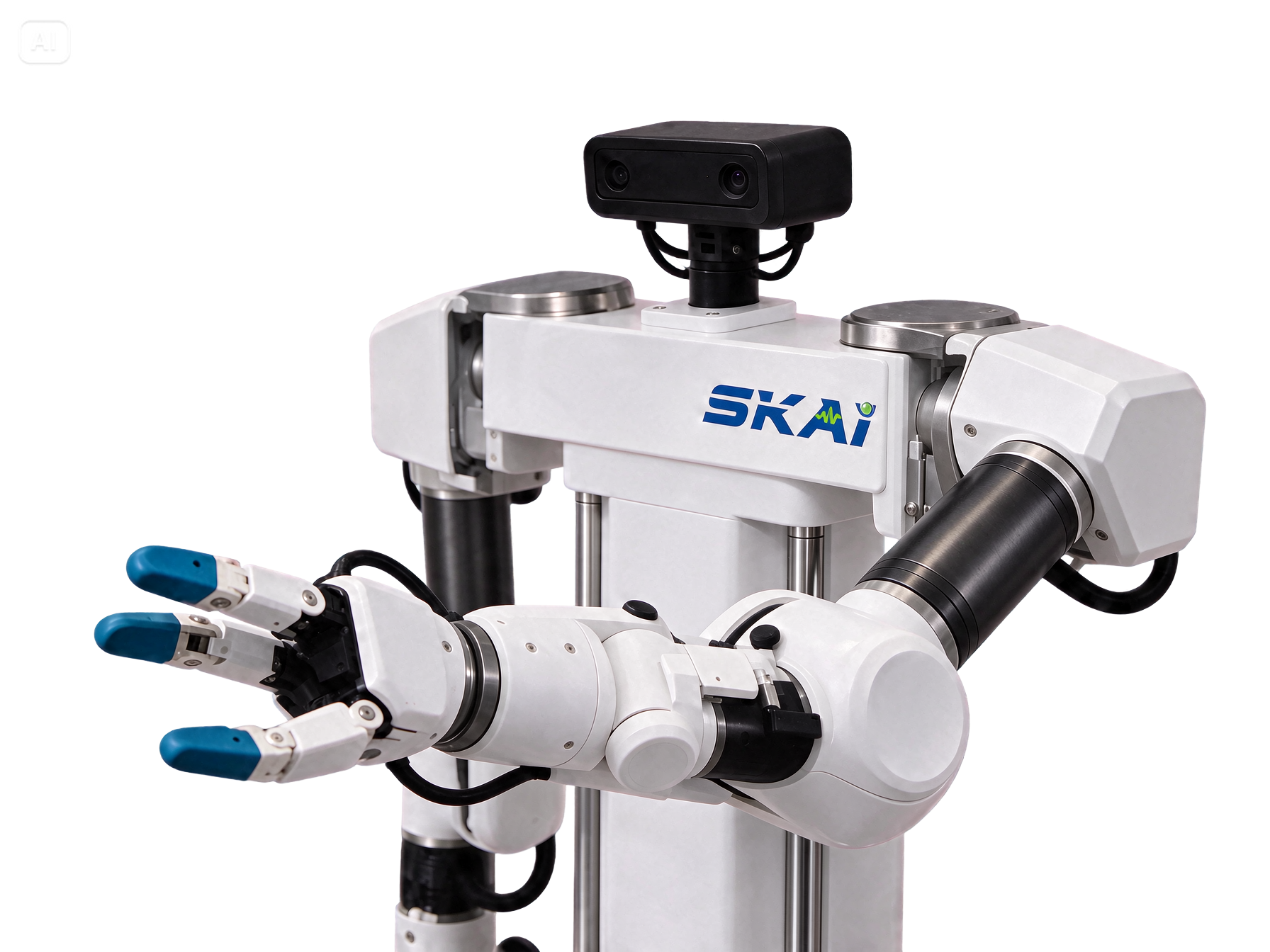

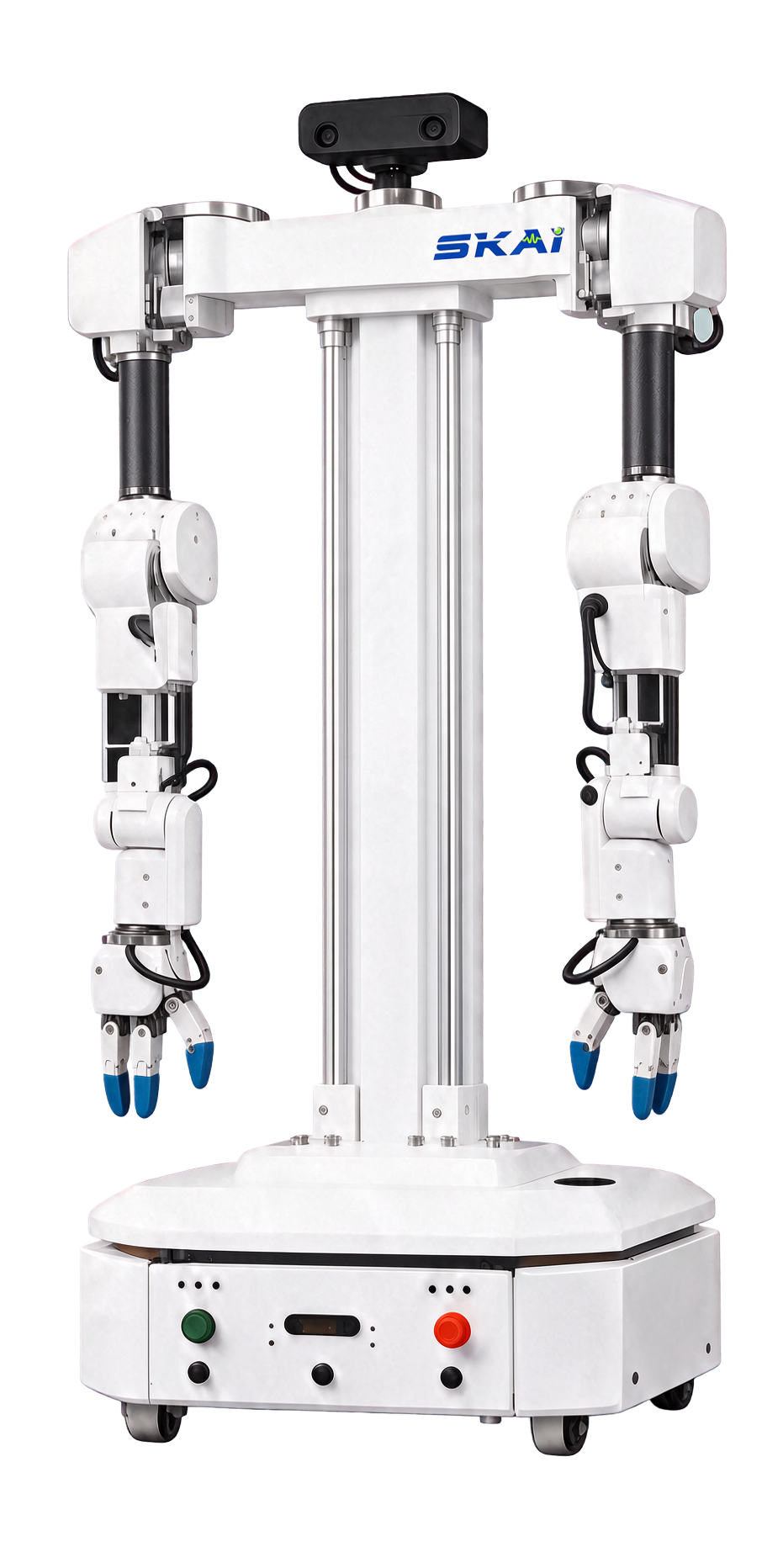
Designed to see, grasp, reach and move.
Every restaurant has its own layout, and every shift brings changes to the counter. SKAI Robot draws on what it sees and what its AI has learned from human demonstrations to adapt its movements to the task at hand.
Perception
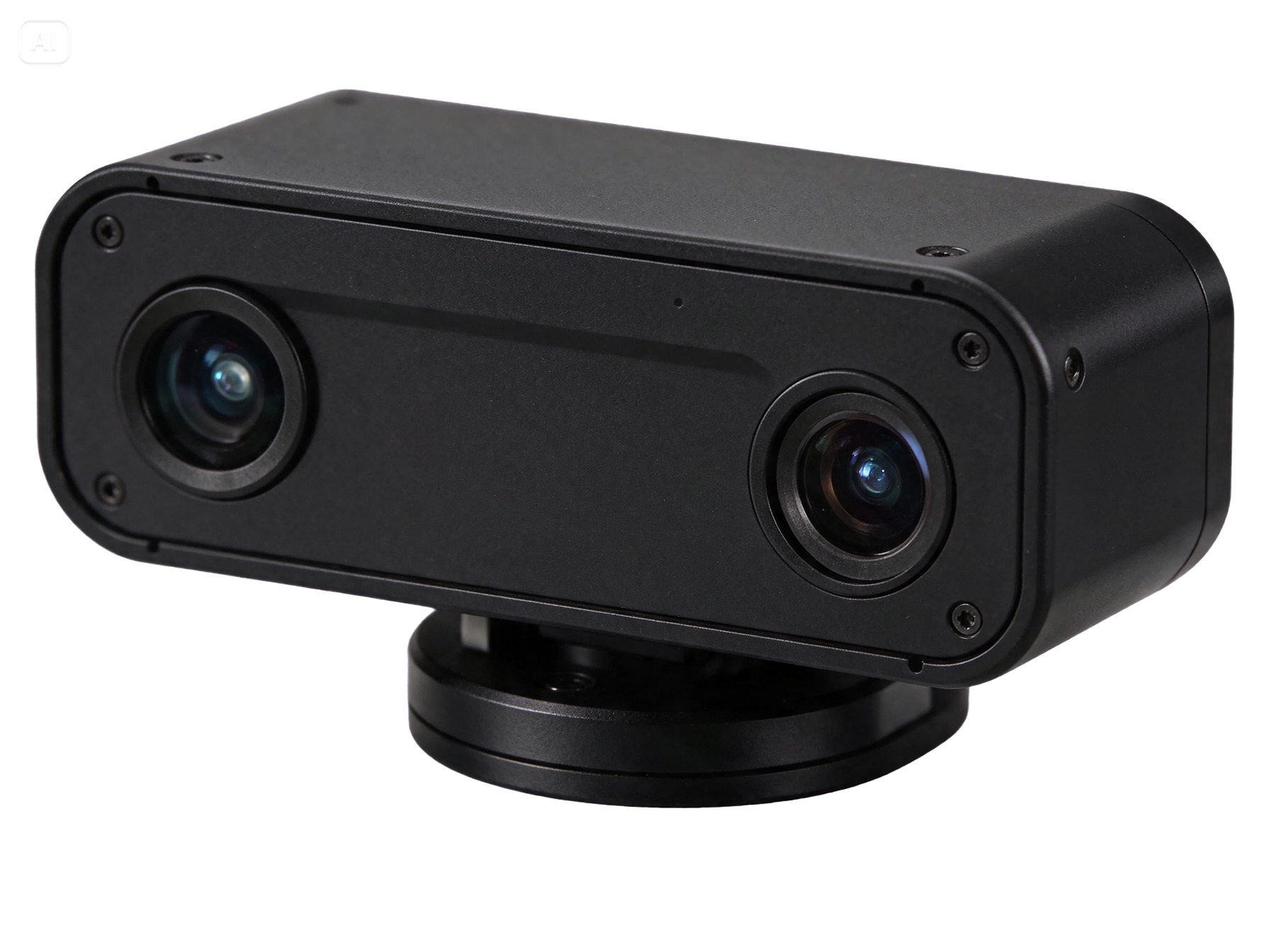
The stereo camera helps SKAI find what it needs on a busy counter. When an item moves, the robot can adjust its reach.
Three-finger gripper
Three fingers adapt to each item’s shape. A controlled grip helps SKAI handle the variety of objects on a café or kitchen counter.
Adjustable reach
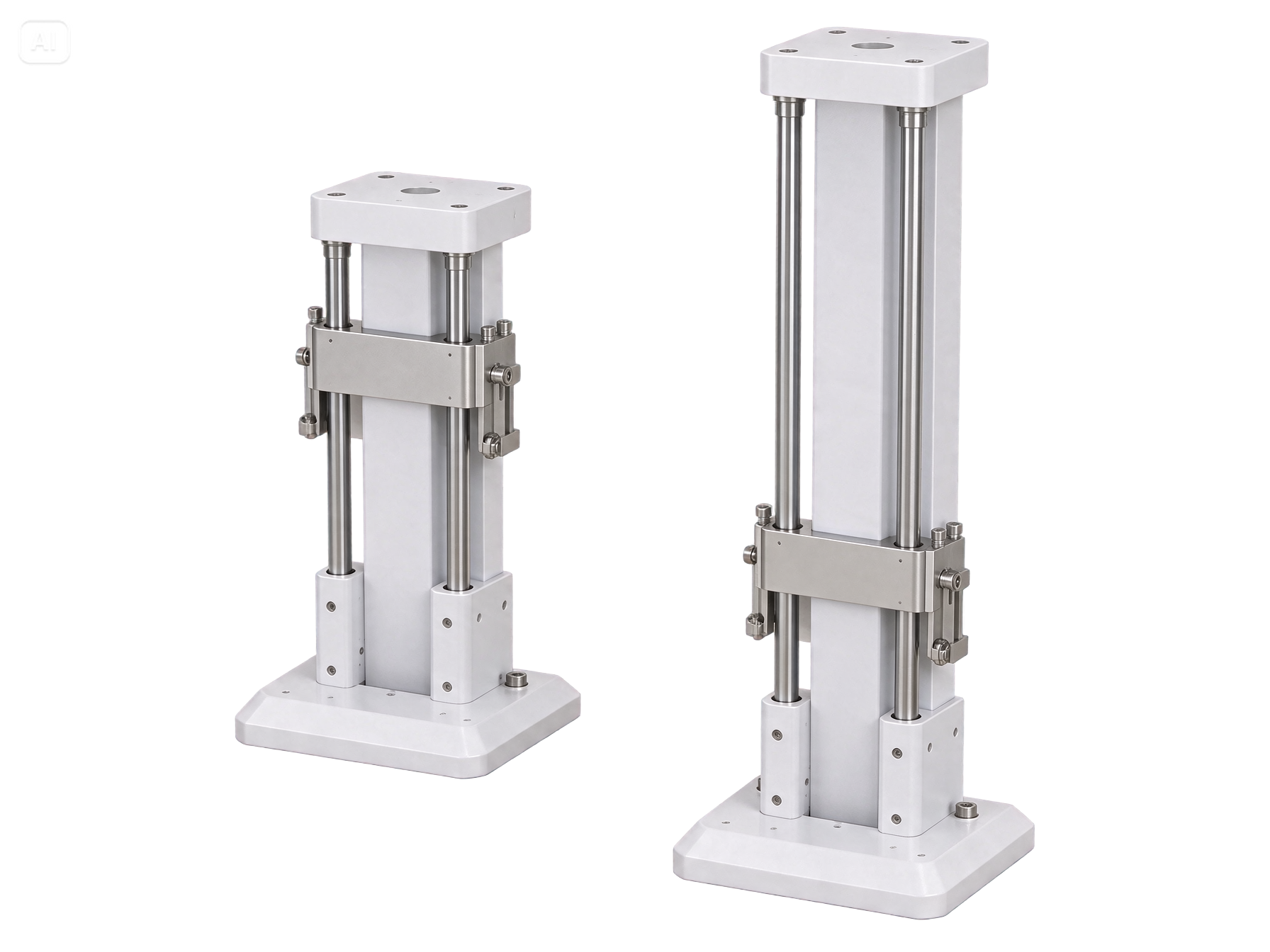
An adjustable lift brings SKAI’s arms level with the task, whether it’s reaching down to a prep surface or up to a serving counter.
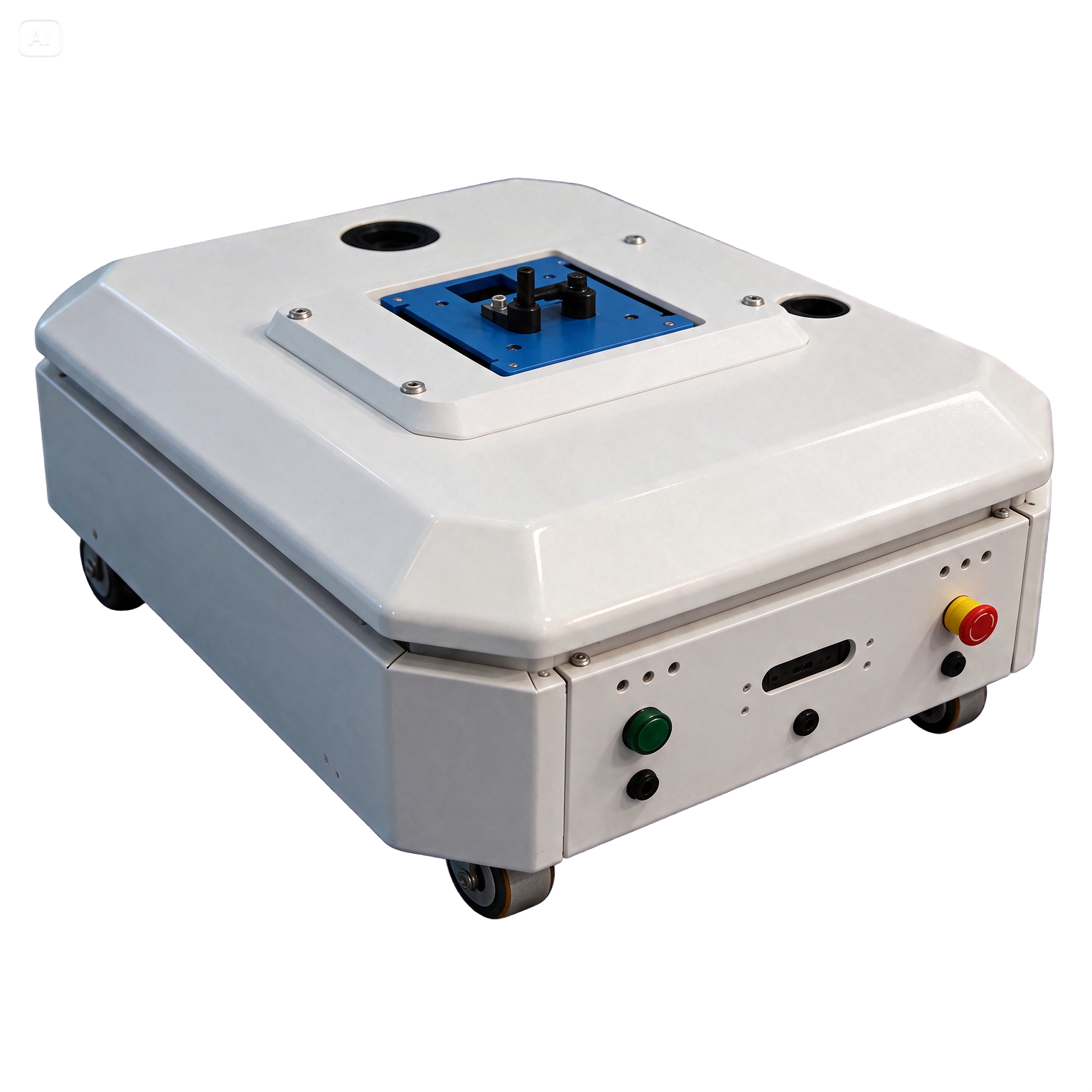
Mobile base
SKAI moves on wheels between service positions. It can approach an order from one side of the counter and serve it from another.
See the counter as it changes.
SKAI’s AI vision models use depth from the stereo camera to estimate each item’s position and orientation. That spatial understanding guides the robot’s grasp: where its fingers can make contact and which angle gives them room to close. When an item shifts or turns, SKAI can adapt its approach to the counter in front of it.
Handle a variety of shapes.
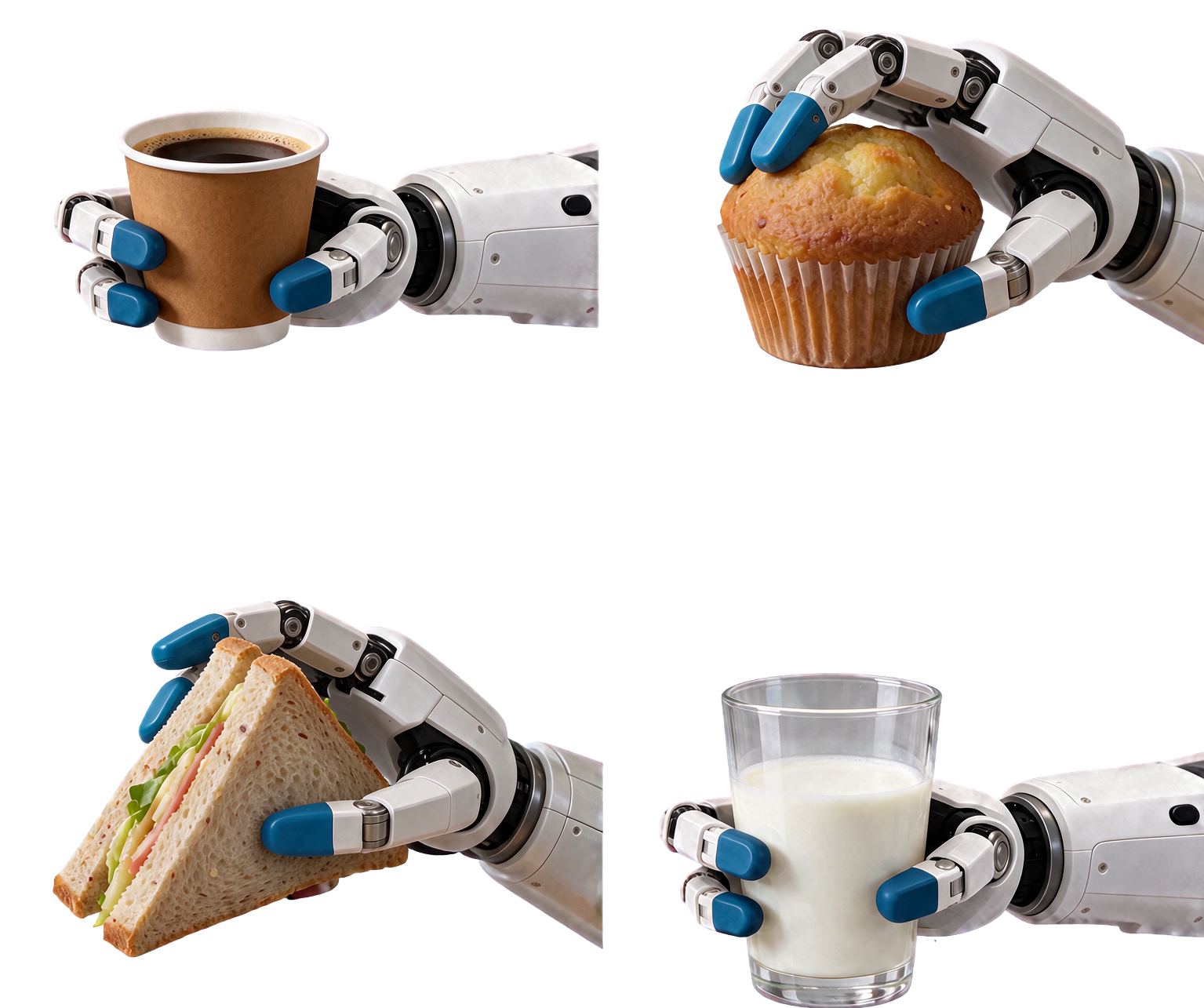
Through imitation learning, SKAI learns from human demonstrations how to coordinate the reach, grasp, and release. Its three fingers adapt those learned movements to the shape of each item, while force control regulates how firmly they hold it. Together, these capabilities give the robot the dexterity to handle the varied shapes and textures found at a kitchen or coffee counter.
Work at the height the task calls for.
SKAI takes the height of the surface and the position of the item into account when planning a reach. Its motion planner coordinates the lift with the arms, choosing when to raise or lower them as the task unfolds. That lets the robot work across different counter heights, from picking up an item at a prep surface to placing it within a guest’s reach.
Find the right position to serve.
A familiar workstation gives SKAI a starting point. Once there, the robot considers where the next item sits and which approach puts it within reach. By adjusting the distance and angle of its wheeled base, SKAI gives its arms room to work, even when the next pickup or handoff happens at a different spot on the same counter.
From simulation to the restaurant counter.
We build on NVIDIA’s open AI models and train SKAI Robot in simulation. At the counter, embedded NVIDIA chips run its AI locally, helping the robot interpret what it sees and adapt its movements.
From self-ordering to robotic service
SKAI Robot helps serve orders placed at the kiosk.
Explore in 3D: drag to look around, scroll to zoom.Swipe sideways to rotate. Pinch with two fingers to zoom.
Self-service from order to pickup
Guests order at the kiosk. SKAI helps at the counter so your team can focus on the food.
Versatile Counter Service
We train SKAI around your counter service, from pouring coffee and serving ice cream to handing over a plate with the extras your guests ask for.
Smoother Rush Hours
Keep ready orders moving through pickup while your team prepares the next round. Guests get a consistent handoff, even during the lunch rush.
Flexible Shift Coverage
Give a smaller crew more flexibility on early and late shifts. SKAI covers routine pickups so your team can stay focused on the food.
Ongoing Adaptation
As your menu or counter setup changes, our team adapts and retrains your robot. Ongoing support is included in your connected SKAI service.
Frequently Asked Questions
Here are some of the basic types of questions for our customers
Still have unanswered questions? Contact Us